Three Hours Before Harvest
Sta. Rita Hills was always the target. It is a paradox: a cool-climate region within a warm environment, shaped by east–west valleys that pull cold Pacific air inland, preserving acidity and extending the growing season. From the moment I started researching cool-climate California fruit for traditional method sparkling wine, the appellation kept coming up. The acidity. The marine soils. The fog. And Pinot Noir and Chardonnay thrive here.
But when I was ready to source fruit for my first vintage, the contracts were locked, and the pricing was beyond what a first-year project could responsibly absorb. So I made a practical decision and sourced from elsewhere.
That decision did not survive contact with reality.
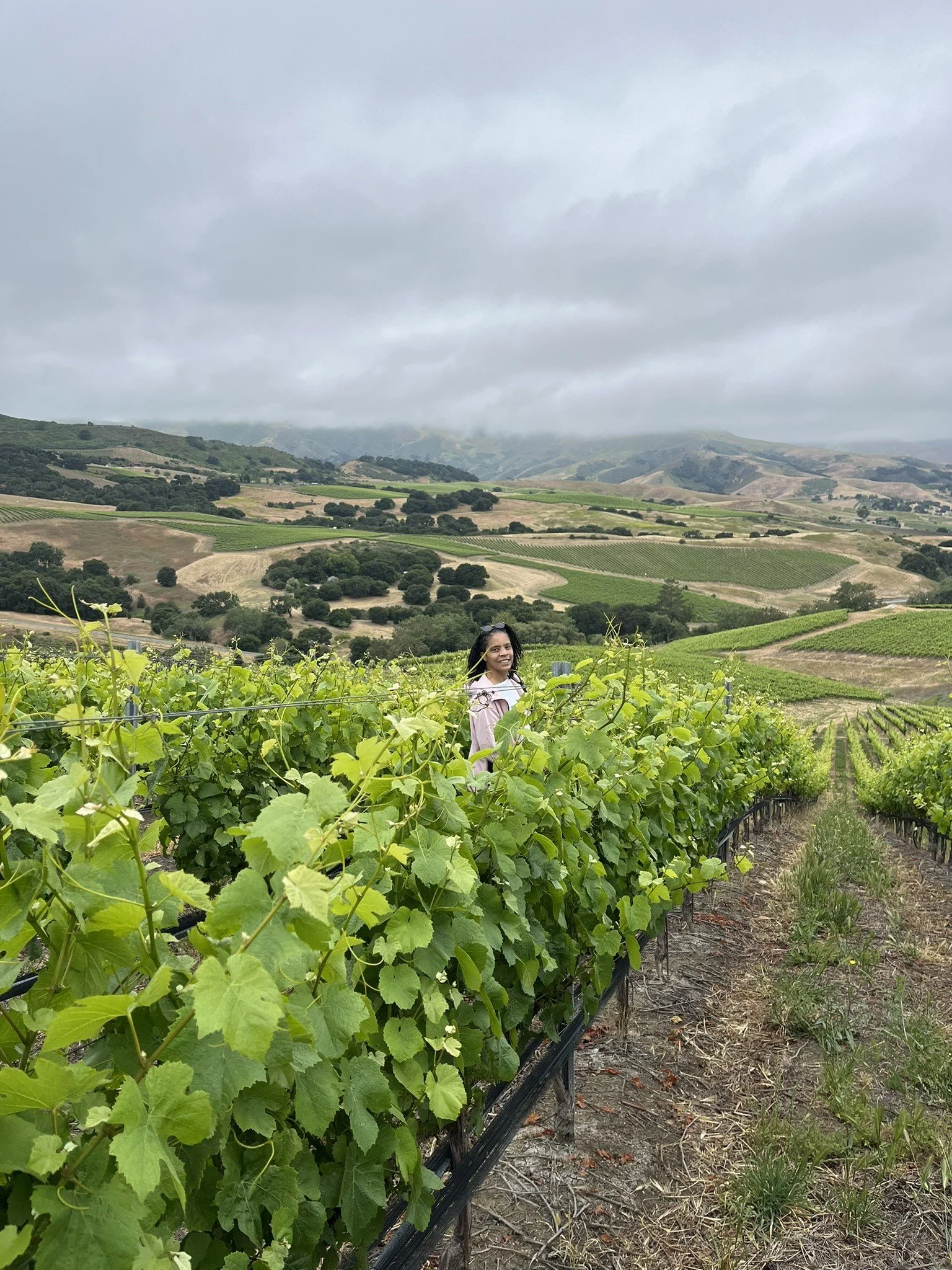
Three days before harvest, a farming mistake made the fruit unusable. I did not learn about it until three hours before the scheduled pick. I had rearranged my travel, flown in excited, and arrived expecting to harvest. Instead, everything stopped.
My winemaking team went to work immediately. Within hours, we were in vineyards, tasting, pulling samples, and making decisions in real time.
We tasted Block 5 at John Sebastiano Vineyard first. The fruit was compelling, but we were concerned it had moved beyond the ideal ripeness window for sparkling wine. The vineyard team offered to facilitate a same-day pick if the lab results supported it. They did, and we harvested at 3 a.m. the next morning.
Then we drove to La Encantada Vineyard. The clusters were gorgeous but needed more time. The farming team, the same people connected to the original issue, helped make the pricing work. And just like that, I went from zero Sta. Rita Hills vineyards to two.
Both blocks produced base wines that set the standard for everything AERILYN is trying to do. This appellation is now central to the wine.
Fiddlestix came the following year through a connection I made at a nearby tasting room. La Encantada did not have room for me in 2025, and I needed a Pinot Noir source.
Fiddlestix changed how I think about farming. I am not dogmatic about certifications, but I push hard to eliminate usage of synthetic herbicides and pesticides. From there, we work toward better long-term practices with an eye on soil health, carbon footprint, and overall sustainability.
That first harvest could have set me back a year. Instead, it forced decisions I might not have made otherwise and led to vineyard partnerships that continue to shape the wine today.
Ever curious,
Tammee