EXPLORE THE COLLECTION
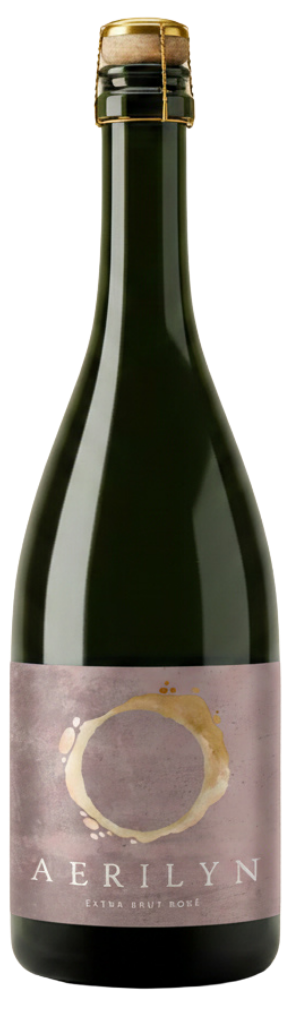
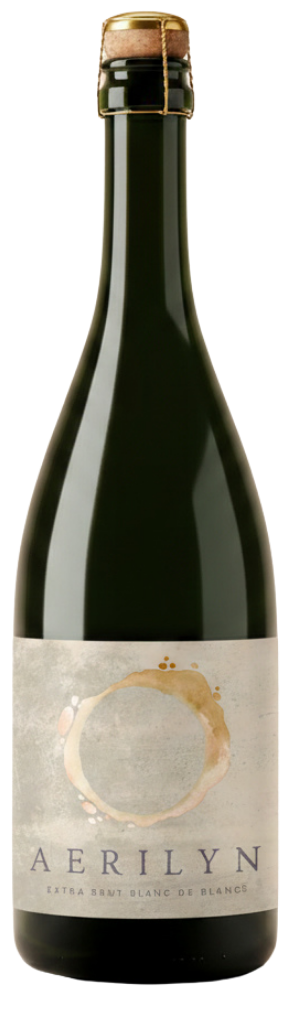
2024 Extra Brut Rosé
The Pinot Noir was hand harvested from La Encantada Vineyard on September 6, 2024, gently pressed to roughly 130 gallons per ton, and fermented 66% in neutral French oak and 34% in stainless steel. No malolactic conversion.
At sixteen months on the lees. Strawberry and rhubarb with a briny edge at the start, now raspberry, candied ginger and melon over a sweet and sour core. Bright, lively structure. Red fruit everywhere. We are currently thinking about a dosage in the range of 2 to 6 grams per liter.
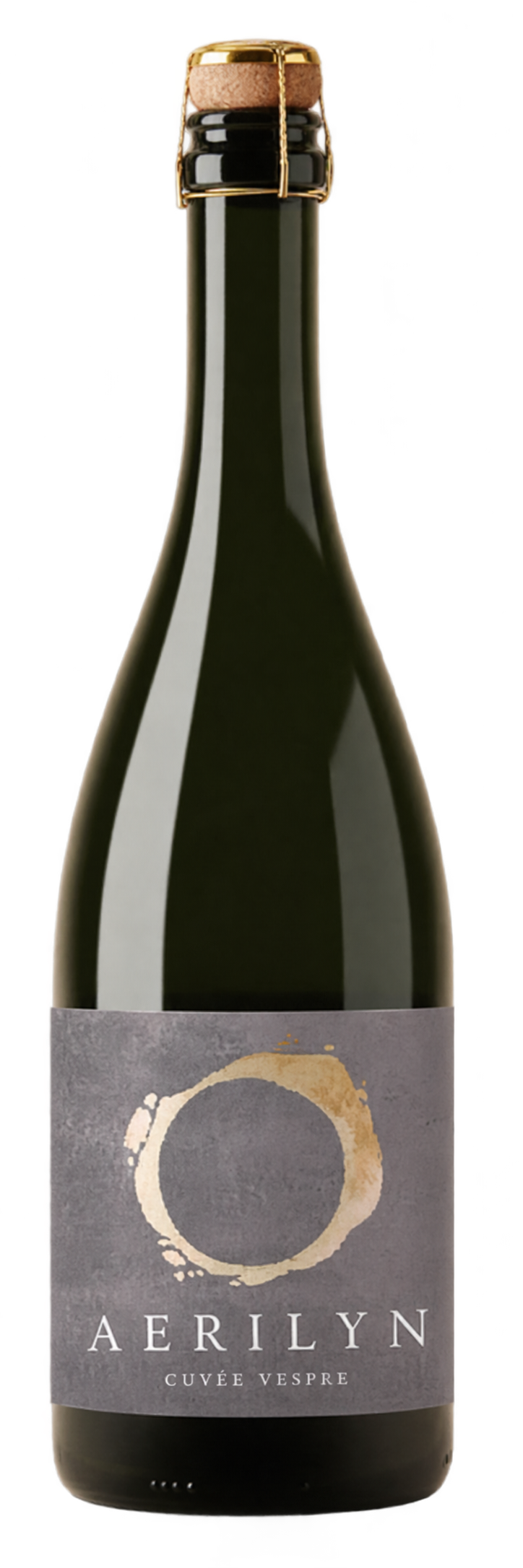
2024 Cuvée Vespre
Vespre is our Pinot Noir-led blend. The Pinot Noir was hand harvested from La Encantada Vineyard on September 6, 2024, and the Chardonnay from John Sebastiano Vineyard on August 30, 2024. Each lot was gently pressed to roughly 130 gallons per ton and fermented separately, 67% in neutral French oak and 33% in stainless steel. A quarter of the final blend completed malolactic conversion.
At sixteen months on the lees. Light rose gold with a fine bead. Lemon and brioche early, now red apple, blood orange and strawberry under a note of honey and light caramel, the Pinot Noir fruit sitting beneath. Round for a wine this dry, with a long, zesty finish. Seamless. We are currently thinking about a dosage in the range of 0 to 2 grams per liter
2024 Blanc de Blancs
Hand harvested August 30, 2024 from a single block of Clone 96 Chardonnay at John Sebastiano Vineyard. Gently pressed to a 130-gallon-per-ton cut, then fermented 69% in neutral French oak and 31% in stainless steel. No malolactic conversion.
At sixteen months on the lees. Pale lemon with a fine, persistent bead. Lemon and green apple have broadened into lemon curd, baked apple and stone fruit, and the yeast has come forward. The acid has softened from linear to something that coats the palate. Lean, precise and mineral. We are currently thinking about a dosage in the range of 1 to 3 grams per liter.
2025 Extra Brut Rosé
The Pinot Noir was hand harvested from Fiddlestix Vineyard on August 22, 2025, and the Chardonnay from Fiddlestix on August 25 and John Sebastiano on August 29. We gently pressed each lot to roughly 130 gallons per ton and fermented 68% in neutral French oak and 32% in stainless steel. No malolactic conversion. At the spring blend, 3% still Pinot Noir was added.
At the first check, one month into tirage, the wine was bright pink with a brilliant, lively mousse. It showed raspberry beneath the yeast, with a round palate and a chalky salinity from the Chardonnay.
2025 Cuvée Vespre
Vespre is our Pinot Noir-led blend. In 2025, all of the fruit came from a single site, Fiddlestix Vineyard. The Pinot Noir, Clone 115, was hand harvested on August 22, 2025, and the own-rooted Massal Chardonnay from the neighboring block on August 25. Each lot was gently pressed to roughly 130 gallons per ton. The Pinot Noir fermented 71% in neutral French oak and 29% in stainless steel, the Chardonnay 60% and 40%. One-fifth of the final blend completed malolactic conversion. At the spring blend, 2% was drawn from our perpetual reserve.
At the first check, one month into tirage, the wine showed tart cherry, unripe strawberry and juicy red fruit, with a fuller, more viscous mouthfeel than its siblings and a touch of tasty bitterness on the finish. It carried a slight pink tint and a generous mousse.
2025 Cuvée Solaise
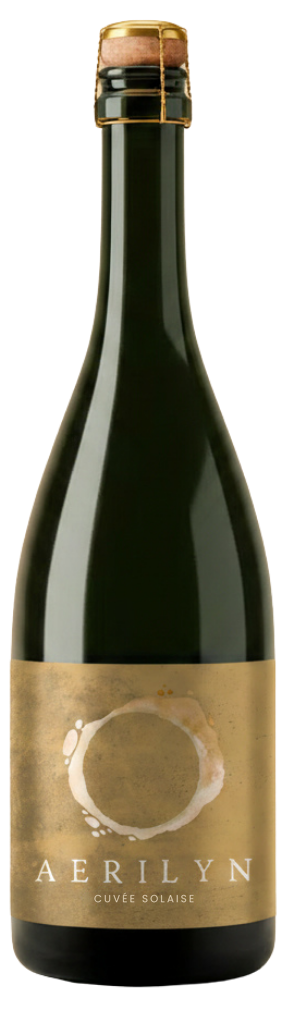
Solaise is our Chardonnay-led blend. The Pinot Noir was hand harvested from Fiddlestix Vineyard on August 22, 2025, the Chardonnay from Fiddlestix on August 25 and from John Sebastiano Vineyard on August 29. Each lot was gently pressed to roughly 130 gallons per ton and fermented 66% in neutral French oak and 34% in stainless steel. At the spring blend, 9% of the final blend, the Fiddlestix Chardonnay, had completed malolactic conversion, and 1% came from our perpetual reserve.
At the first check, one month into tirage, the wine was pale lemon with a generous mousse. It showed lime peel, grapefruit and fresh lemon, still carrying a layer of yeasty brioche. The Chardonnay was unmistakable, with the Pinot Noir adding depth underneath.
Winemaking Philosophy
There is no formula for a vintage and no set house style. We begin with the fruit each season gives us, make decisions lot by lot, and allow time to shape wines that are expressive, balanced, and made for the table.
The Vineyard
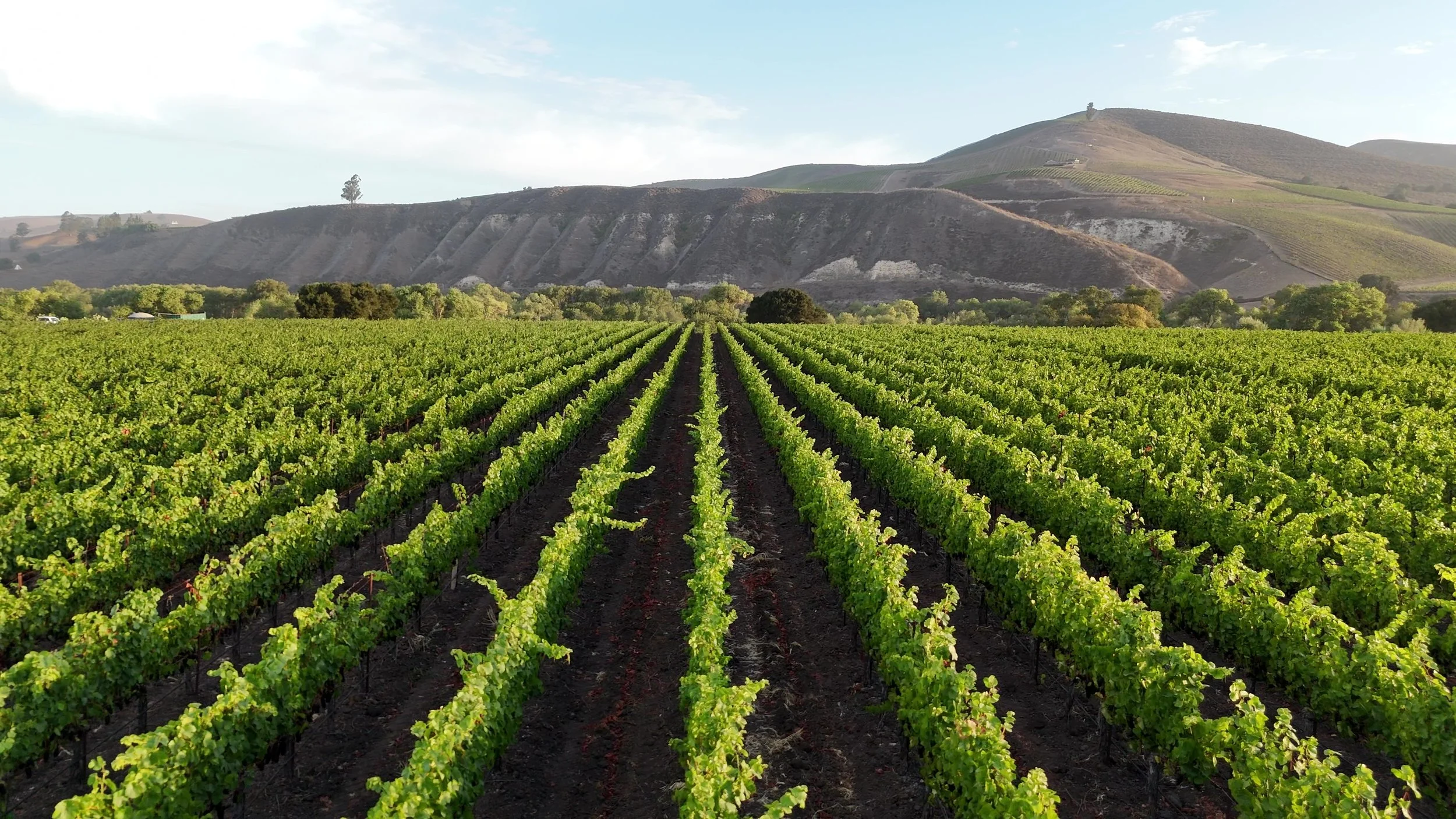
We partner with conscientious farmers who prioritize sustainability and healthy soils. We farm for the point where flavor, phenolic maturity, and acidity come together.
Night Harvest, Gentle Press
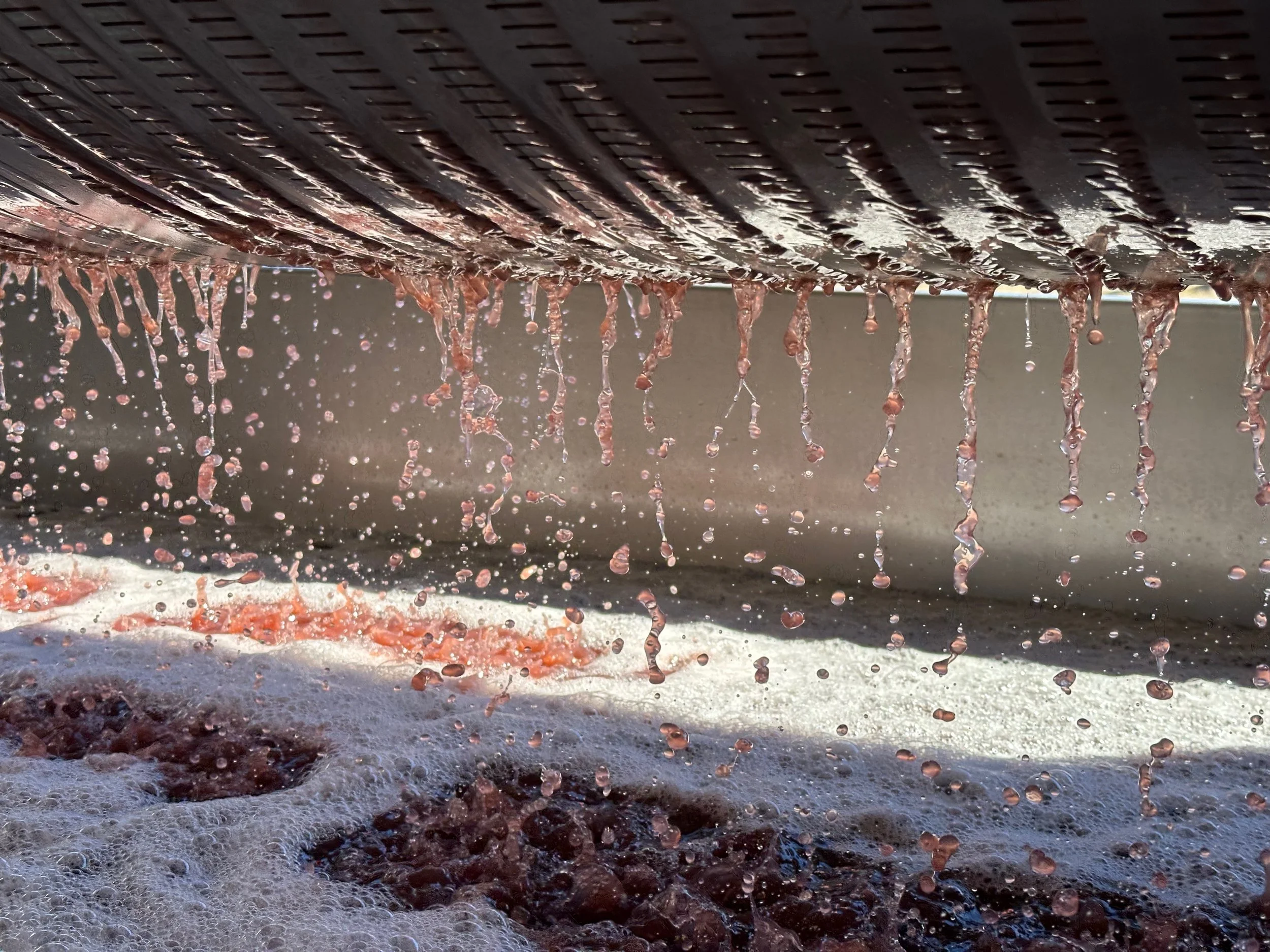
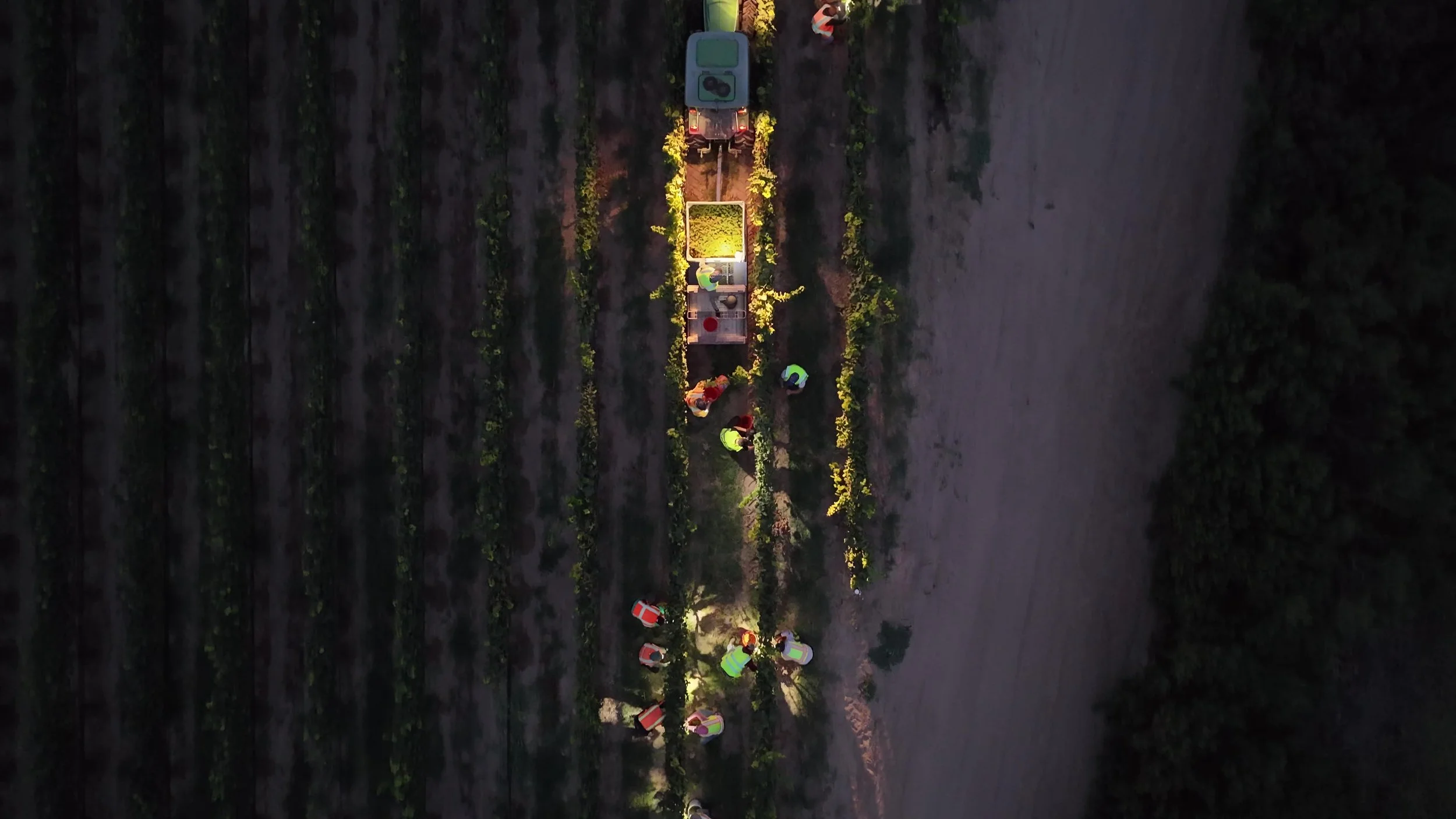
We pick at night, when the fruit is cold, and it goes directly to the press. We press gently, no more than 0.8 bar, and stop at roughly 130 gallons per ton, keeping the gentlest fraction of the juice.
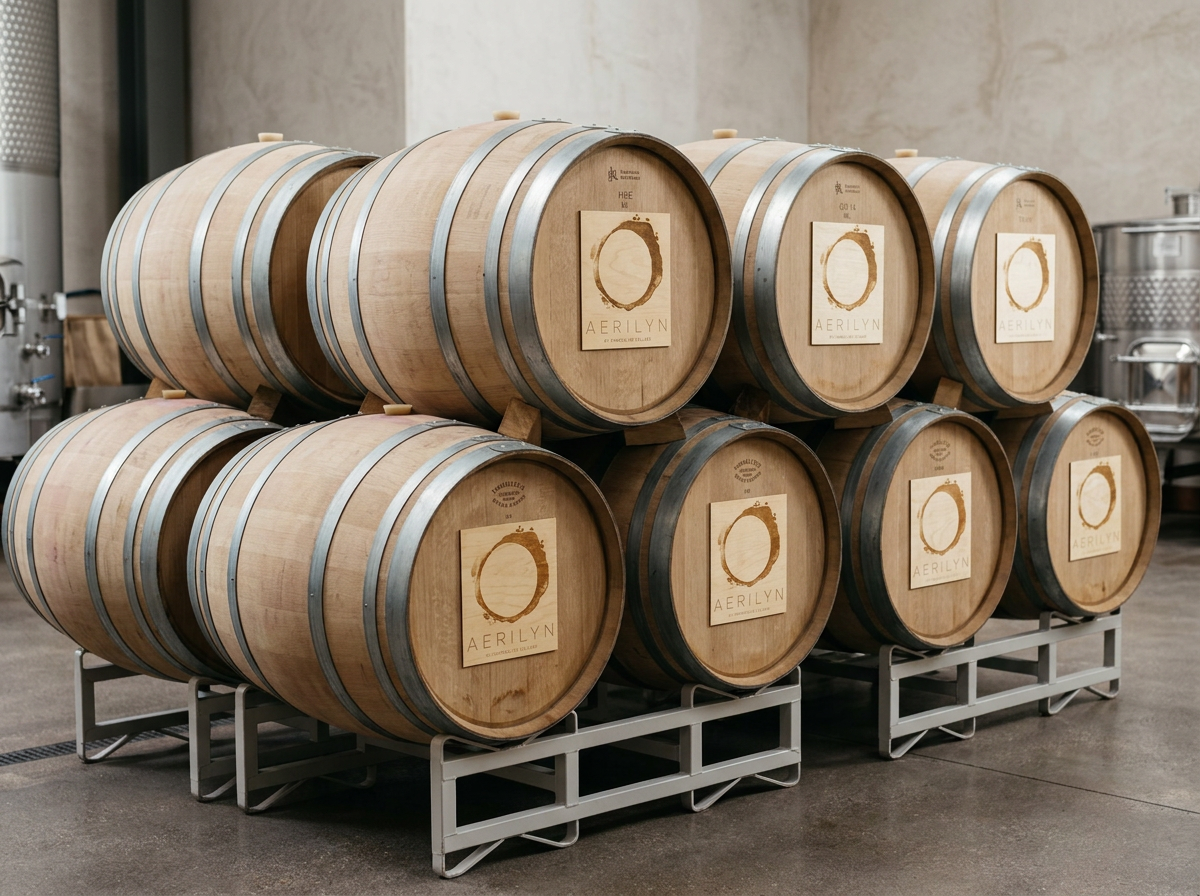
Élevage - The Cellar
We ferment with specially chosen yeast strains and raise the wines in small lots. We taste monthly, and decisions about malolactic conversion and lees stirring are made lot by lot.
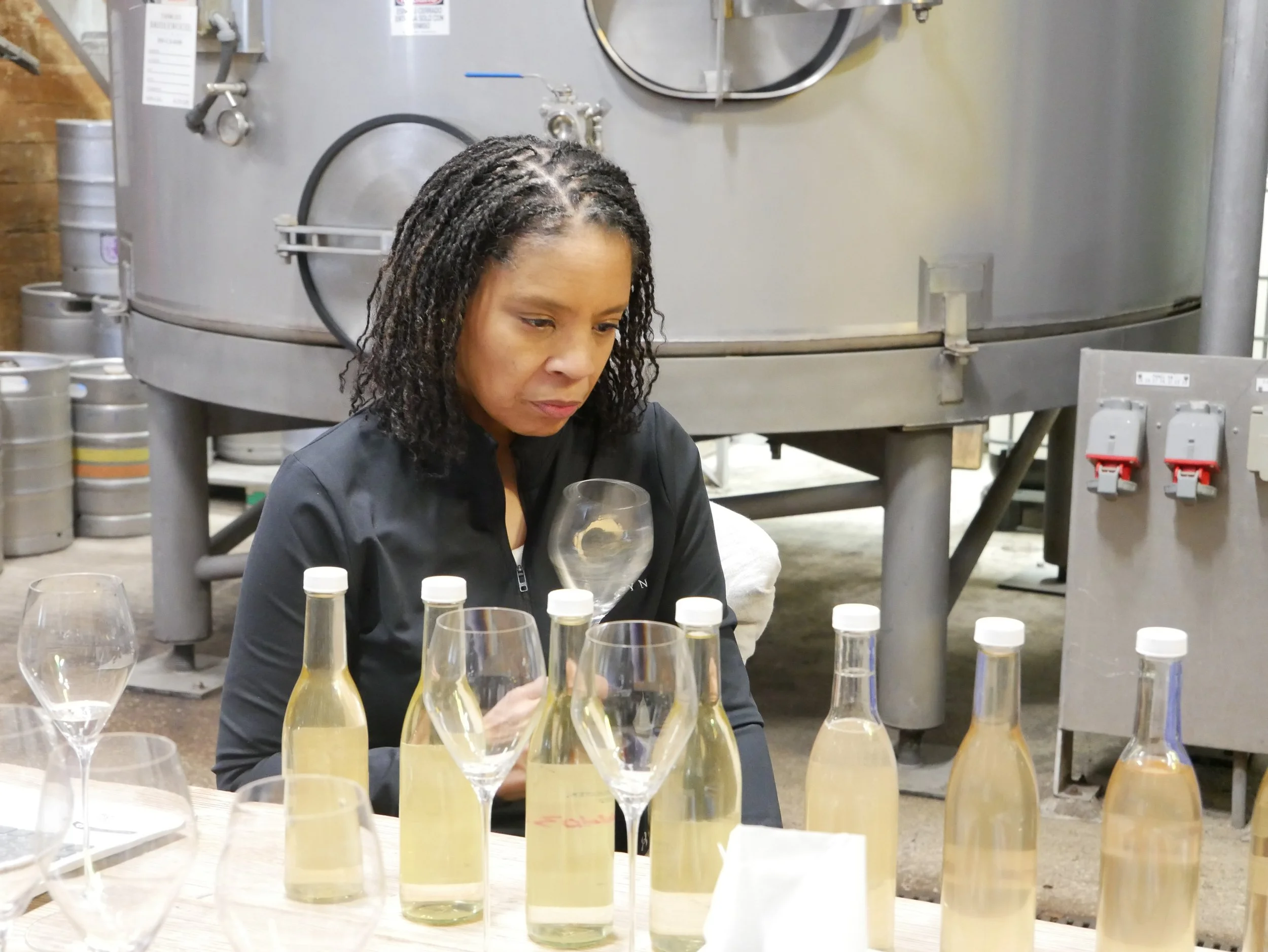
Assemblage - Blending
After eight months in élevage, the lots come together at the blending table. Each contributes something special: brightness from stainless steel, breadth from neutral oak, roundness from malolactic conversion, depth from our perpetual reserve.
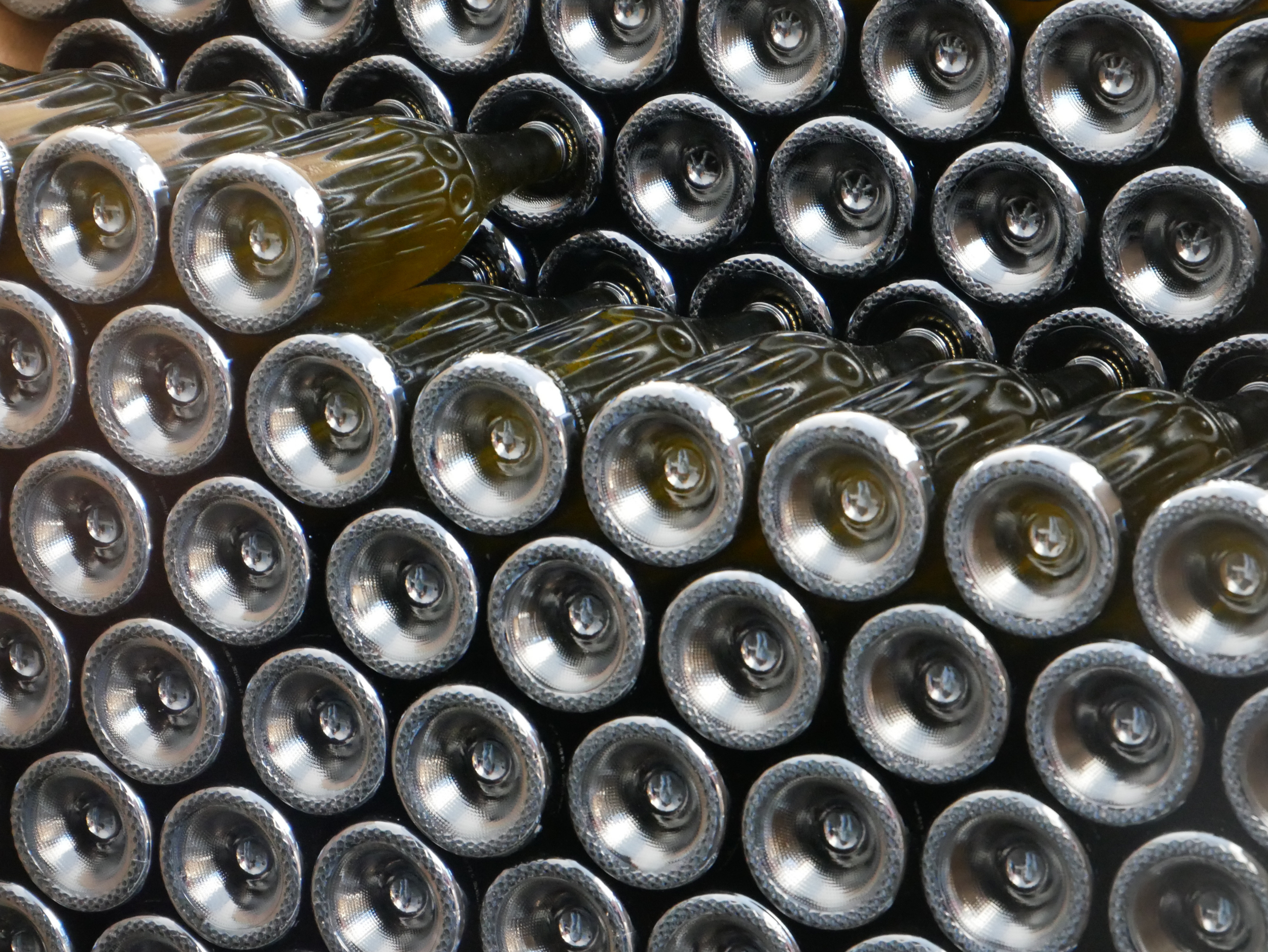
Tirage - Time on the Lees
At tirage, the wine goes to bottle for its second fermentation, then spends two to three years on the lees, sometimes longer. This is where time changes the wine, building texture, complexity, and the fine mousse that comes with extended aging.
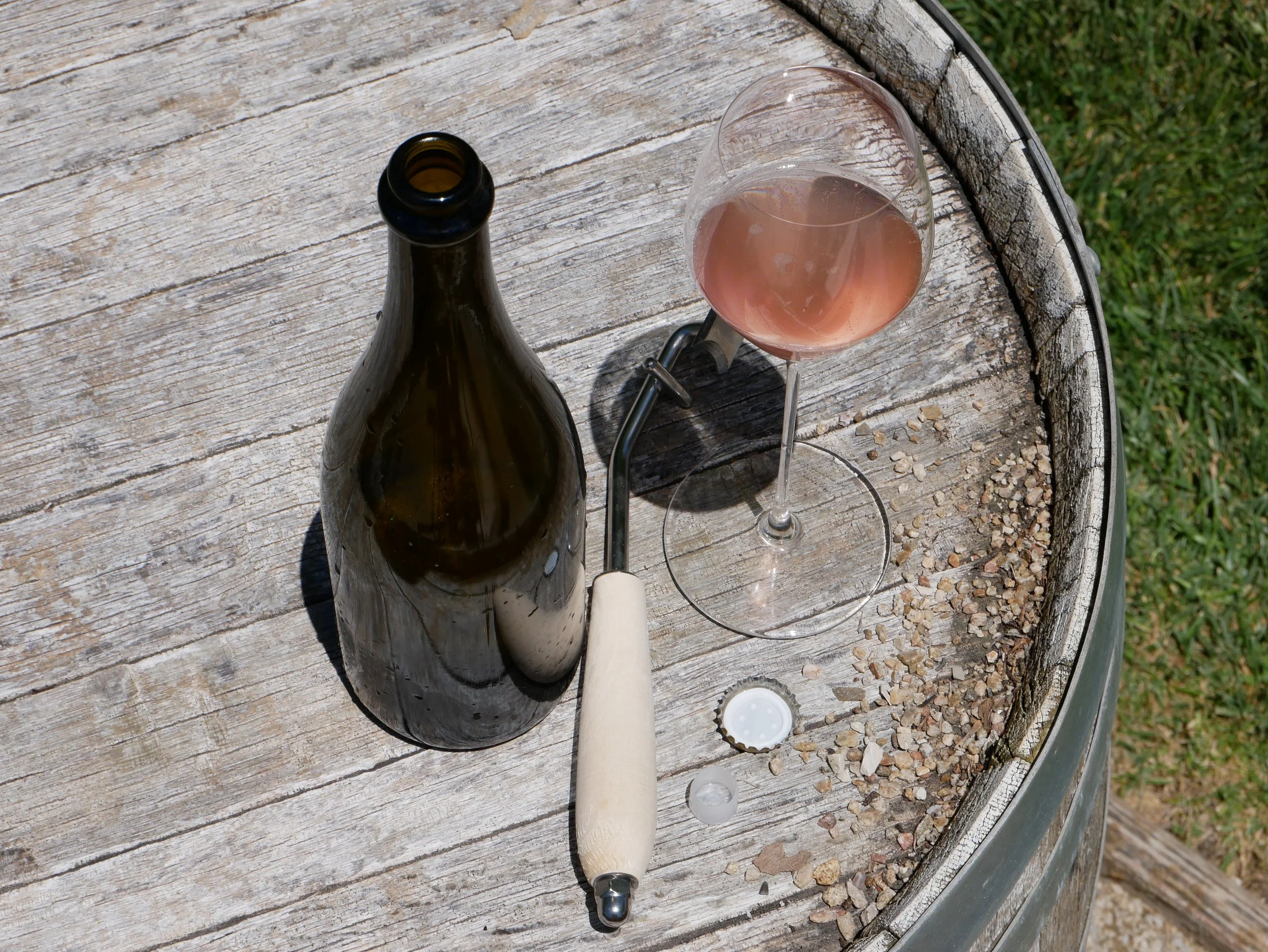
Dosage - Finishing
We set dosage by trial, gram by gram. We taste the wine at different levels until we find the point that brings the finished wine into balance.
Rooted in nature.
Refined by time.
Each vintage is a singular expression of the year as nature never offers the same growing season twice. We see that as an opportunity to create something distinctive, letting each vintage reveal its own character through time, patience, and thoughtful winemaking.